







How Nevada Winter Weather Affects Your Roof in February
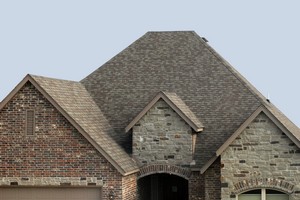
February is peak season for cold snaps, lingering snow, and gusty valley winds across Carson City, Minden, and Gardnerville. Those conditions add up to Nevada winter roof damage that can shorten the life of shingles, tile, metal, and flat roofs. If your home has taken a beating lately, schedule trusted roof repairs with a licensed local pro at Coyne Roofing Inc. before small issues grow.
Why February Is Tough On Carson Valley Roofs
Our winter pattern often swings from sunny afternoons to freezing nights. Meltwater creeps under shingle edges by day, then expands as ice after sundown. Repeating that cycle thousands of times in February pries at fasteners, loosens seals around vents, and weakens flashing at walls and chimneys.
Snow here is often wet and heavy. Locals call it “Sierra cement.” It slides and refreezes in valleys and against walls, placing weight where roofs are most vulnerable. Add sharp winds along the 395 corridor and you get lifted shingle tabs and stressed ridge caps that let wind‑driven moisture in.
How Cold, Snow, And Wind Affect Different Roofing Materials
Every material handles winter in its own way. Knowing what fails and where helps you spot trouble early from the ground.
- Asphalt shingles: cold temps make them brittle. Freeze–thaw can pop nails slightly, open hairline gaps, and shed granules into gutters.
- Concrete or clay tile: tiles handle snow well, but flashing and underlayment around penetrations can crack, allowing slow leaks.
- Metal panels: strong in wind, yet repeated temperature swings can fatigue exposed fasteners and loosen sealant at seams.
- Low-slope and flat roofs: standing meltwater around drains and scuppers finds seams and creates staining long before you see a drip inside.
Neighborhood Microclimates Around Carson City And Douglas County
Winter stress is not the same on every block. Homes in Lakeview and Kings Canyon keep shade longer, so ice lingers near eaves. Northridge and East Carson see bright sun by day and sharper night freezes. Indian Hills and Johnson Lane often catch stronger east winds, while open areas toward Dayton Valley stack wind‑drifted snow on leeward slopes. These micro‑differences explain why one roof leaks in March while another a mile away stays dry.
Subtle Signs Of Winter Roof Damage You Can Spot From The Ground
Stay off ladders and watch for patterns after storms or thaws. Small changes add up.
- Dark, damp bands along eaves after a thaw or light rain.
- Specks of shingle granules at downspouts or scattered across patios.
- Tabs that look slightly lifted or caps that appear uneven along ridges.
- Fresh ceiling spots or paint bubbles near exterior walls.
- Musty smells in rooms below roof planes after snow melts.
For a deeper checklist, skim our local write‑up on winter wear and early warning signs in this practical read on winter roof damage, then compare what you notice at your home.
Freeze–Thaw: The February Problem Behind Many Leaks
Here’s what happens, over and over, all month long:
- Daytime sun melts snow into thin trickles that slip under shingle edges and around flashing.
- Nighttime cold refreezes that water, pushing materials apart a fraction of an inch.
- Wind and more meltwater widen the same path. Weeks later the stain shows up far from the actual entry point.
Think of your roof like a zipper. One snag near a vent or valley makes the whole system easier to pull apart. That is why catching issues now protects the deck, insulation, and interior finishes below.
Material-Specific Winter Weak Points To Watch
Asphalt roofs often show wear first in the granule layer. Grit in gutters after a thaw points to surface loss or scuffing from sliding snow. Shingles near chimneys and skylights are most at risk when sealant ages in cold weather.
Tile roofs rely on tight flashing and sound underlayment. Cracked sealant where walls meet roofs, slipped tiles near valleys, or debris dams around skylights can let meltwater push uphill under tile courses.
Metal roofs shed snow well, but expansion and contraction can stress exposed fasteners and laps. Pay attention to transitions at vents and where porches meet main roofs.
Flat and low‑slope roofs need clear drainage. If you notice ponding near scuppers after a warm spell, that water can chill overnight and pry at seams. Even small blisters or ripples deserve attention in February.
When To Book A Winter Roof Inspection In Nevada
Right after a thaw is ideal. Stains are fresh, ice lines are visible, and lifted tabs show more clearly. A licensed inspector will focus on penetrations, valleys, ridge caps, step and counter‑flashing, and the attic side of suspect zones. For a quick overview of what pros look for, see our plain‑English guide to a standard roof inspection.
If a repair is advised, handling it now limits spread into sheathing and insulation. When a fix cannot wait, our team completes targeted roof repairs that fit winter conditions and manufacturer specs.
Wind Matters: February Gusts Across The Valley
Gusts can break the adhesive bond beneath shingle tabs, especially along ridges and during cold snaps. Even a slight lift lets wind‑driven rain and wet snow ride under the surface. Over time that moisture darkens decking and can lead to interior spotting.
Not sure if lifted tabs or missing caps are the reason you’re seeing marks? Compare what you see with this short read on signs your roof needs professional repairs and jot down any matches to discuss with your roofer.
Local Context For Linden, Minden, And Gardnerville Homes
Douglas County roofing concerns shift neighborhood to neighborhood. Open lots near Johnson Lane can see scouring winds that loosen ridge caps. Mature trees around downtown Gardnerville add shade that keeps ice at the eaves. Homes tucked near Ash Canyon or along the Carson River can see different melt and runoff patterns after storms. The upshot is simple: the same February system can create very different results on two houses a few miles apart.
Protect Your Home With A Proven Winter Plan
Here’s a practical way to think about the next few weeks:
- Watch once after each thaw for the ground‑level signs listed above.
- Photograph new spots or patterns you notice inside or along the eaves.
- Share notes with a licensed roofer so they can focus on likely entry points fast.
Reading up on nevada winter roof damage helps, but a documented inspection and quick professional fix prevents more headaches than any checklist. A careful roofer will separate normal wear from issues that demand attention before spring storms roll in.
Why Fast Repairs Save Time And Stress
Water almost never falls straight down inside a roof. It follows fasteners, laps, and grain until it reaches a ceiling or wall seam. That is why a small stain now can trace back to a far‑off valley or pipe boot. Acting quickly reduces the area that needs work and keeps energy‑soaking dampness out of insulation. It also helps preserve paint, trim, and flooring beneath.
Homeowners across Carson City, Minden, and Gardnerville tell us the same thing every March: fixing a tiny problem in February would have saved patching drywall, repainting rooms, and running fans for days. Early, targeted work beats cleanup every time.
How Coyne Roofing Inc. Handles Winter Roof Damage
Our trained team focuses on facts and photos. We check high‑risk areas first, document what we find, and prioritize urgent leak prevention over cosmetic items. Then we walk you through options that fit your roof type and season. When repair is the right answer, we complete it to manufacturer standards so your roof is ready for spring weather.
Ready To Stop Leaks Before Spring Storms?
If winter has left its mark, now is the time to protect your home. Reach Coyne Roofing Inc. at 775-265-7408 to schedule service, or start with fast, professional roof repairs so your home is dry, warm, and ready for March rains.
More Tips on Roof Repairs