







Did Winter Roof Damage Your Home? Signs Carson City, NV Homeowners Shouldn’t Ignore
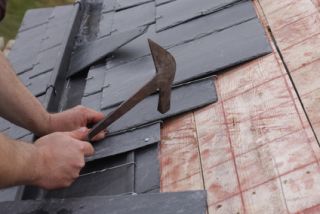
Winter roof damage in Carson City, NV can hide in plain sight. Freeze-thaw cycles, heavy Sierra snow, and sharp winds can loosen shingles, split flashing, and open tiny pathways for water. If you suspect trouble, get ahead of spring storms with a professional assessment and, when needed, prompt roof repair from Coyne Roofing Inc.}.
What Winter Really Does To Your Roof In Northern Nevada
Our climate swings hard. Sun hits during the day, meltwater runs, then night temps drop below freezing. That cycle can pry at shingle edges and drive moisture under the surface. High valley winds along 395 lift tabs and stress ridge caps. Wet, dense “Sierra cement” piles in valleys and against walls, putting pressure where your roof is most vulnerable.
None of this always shows up as an obvious leak right away. Small gaps let in traces of water that stain slowly, rot quietly, and show up weeks later. That’s why a careful spring check is so important.
Common Winter Roof Damage In Carson City
Ice Along Eaves And Valleys
Ridges of ice at the eaves or in shaded valleys can trap meltwater. Water that has nowhere to go tends to find a way inside. You might notice darker roof edges after a thaw or dampness near outside walls.
Lifted Or Missing Shingles
Gusty winter winds can lift tabs or pull caps from hips and ridges. Even a slight lift breaks the seal that keeps water out during spring rains.
Cracked Or Separated Flashing
Temperature swings wear out sealant at chimneys, skylights, and wall transitions. Small separations here are a top source of spring leaks.
Granules Where They Don’t Belong
When shingles age or take a winter beating, their protective granules shed and collect near downspouts. It’s a sign the top layer is wearing thin.
Subtle Signs To Watch After The Thaw
- Fresh ceiling spots, paint bubbles, or faint yellow rings after snowstorms or wind-driven rain.
- Musty smells in the attic, especially near eaves where ice tends to form.
- Drafty rooms under roof planes or uneven temperatures from wind-lifted shingles or gaps at penetrations.
- Shingle grit around the base of downspouts or on patios after melt and rain.
Why A Spring Roof Inspection Matters In Northern Nevada
Spring brings fast-moving fronts and gusty showers that find every weak point winter left behind. A professional inspection documents current conditions, flags urgent items, and maps preventive fixes before the first strong storm lines roll through. For a deeper look at the process, see what happens during a standard roof inspection from our local team. If your roofer spots active issues, taking care of timely roof repair now can spare you from ceiling stains and attic moisture later.
Neighborhood And Microclimate Notes Around Carson City
Local terrain shapes roof stress. Homes in Lakeview and Kings Canyon get heavier tree shade and lingering snow. Northridge and East Carson neighborhoods see more direct sun by day and sharper freezes at night. Indian Hills and Johnson Lane take the brunt of east winds, while Dayton Valley can stack wind-driven snow on leeward slopes. These micro-shifts explain why the same storm can create very different problems just a few miles apart.
If you’re unsure where to start, a trusted local roofer can prioritize the details that match your block and roof style. Learn more from Coyne Roofing Inc. at winter roof damage in Carson City, NV resources and services tailored to our area.
Repair Now Or Wait? Why Small Fixes Win
Most winter wear shows up in a handful of places: eaves, valleys, chimneys, skylights, and ridge lines. When caught early, repairs are typically localized. Replacing a few compromised shingles, reseating step flashing, or sealing a vent boot can protect the deck and insulation beneath. Waiting turns a drip into soaked drywall, warped trim, and ruined attic insulation. That is why addressing minor roof damage before spring storms often delivers the best return.
Not sure if what you see is serious? Start with this quick read from our blog on early warning signs: signs your roof needs professional repairs. If any of those match your situation, it is wise to schedule an inspection soon.
How Winter Weather Creates Leaks You Don’t See Right Away
- Freeze-thaw expansion widens hairline gaps around nails and flashing. Water follows the path of least resistance, then reappears as a stain far from the entry point.
- Wind pressure lifts edges and works against seals at ridges and vents. Even a slight lift invites wind‑driven rain under the shingle.
- Dense, wet snow loads concentrate at valleys and behind walls. Prolonged weight stresses fasteners and can open seams.
Think of your roof like a jacket zipper. It only takes one small snag to let in a lot of cold air and water. A focused spring inspection zips everything back up tight before the next storm line moves in.
Planning Your Spring Roof Inspection
Timing matters. Schedule once lingering snow and ice have cleared from the eaves so your roofer can see staining, lifted tabs, and flashing cracks. Ask for photos and a prioritized list: urgent leak prevention first, preventive tune‑ups next. If your home borders greenbelt areas near Ash Canyon or low-lying drainage near the Carson River, let your inspector know, since shade and runoff patterns affect the checklist.
During your visit, your contractor will check penetrations, step and counter‑flashing, ridge and hip caps, valleys, and the attic side of suspect areas. If needed, they will recommend targeted fixes so your roof is storm‑ready. When a repair is advised, choosing local, professional service keeps workmanship aligned with the realities of our wind and snow.
More Tips on Roof Repairs